
Public Investment Accelerates Downstream Hemp Manufacturing and Carbon-Negative Materials Innovation
In January 2026, the state of New York made a move that speaks volumes about where the industrial hemp sector is heading. With a $1 million investment into a hemp manufacturing laboratory at Rensselaer Polytechnic Institute (RPI), the state signaled that hemp is no longer just an agricultural experiment — it is a strategic material platform. The newly funded Seed to City Manufacturing Lab is designed to transform industrial hemp into carbon-negative building materials, advanced composites, technical textiles, and bio-based packaging.
This is more than a research grant. It reflects a broader shift in both public policy and industrial strategy: decarbonizing material supply chains requires not only sustainable crops, but downstream manufacturing infrastructure capable of converting those crops into performance-grade products.
Closing the Downstream Gap
Industrial hemp cultivation has grown steadily since federal regulatory reforms clarified its legal status. Farmers can grow it. Agronomists can optimize it. But a persistent bottleneck has slowed industrial adoption: the lack of processing and manufacturing capacity to convert raw hemp fiber into engineered materials.
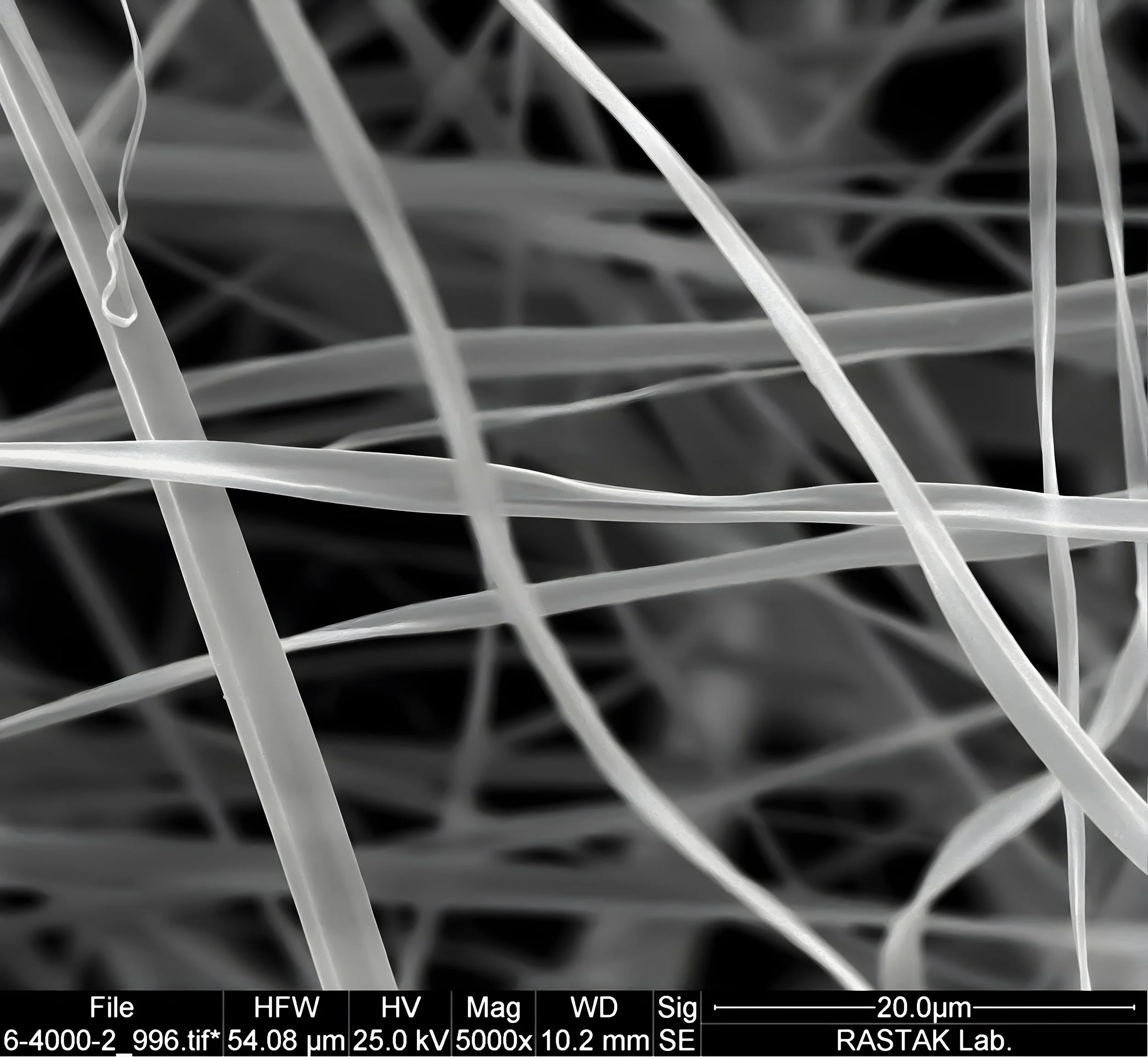
The Seed to City Lab is focused squarely on that bottleneck. Its mission is to bridge the gap between agricultural output and high-performance end products. Rather than functioning as a purely academic research facility, the lab is structured as a production-oriented R&D hub. It will house specialized equipment capable of refining hemp long and short fibers into products such as structural building components, natural-fiber reinforcement systems, insulated retrofit wall panels, high-performance siding, technical textiles, and biodegradable packaging.
In short, it aims to industrialize hemp at the product level — not just the crop level.
Hemp and the Decarbonization Imperative
The construction and materials industries are among the largest contributors to global greenhouse gas emissions. Concrete, steel, and petrochemical-based plastics dominate modern building systems, but they carry significant embodied carbon footprints. The RPI initiative directly addresses this challenge by developing low-carbon, plant-based alternatives capable of competing with these conventional materials.
Hemp’s agronomic characteristics — rapid growth, high biomass yield, and carbon sequestration during cultivation — give it inherent environmental advantages. Yet without downstream manufacturing capability, those environmental benefits remain theoretical. The Seed to City initiative attempts to close that loop by creating a regional ecosystem in which hemp flows from farm to finished product, reducing dependence on fossil-based imports and strengthening domestic material supply chains.
Building an Ecosystem, Not Just a Lab
What makes this initiative strategically interesting is its ecosystem design. It is not simply a lab with machines; it is structured as an integrated industrial development platform. Regional farmers provide feedstock. The lab refines and processes materials. Industry partners test, evaluate, and help commercialize products. Academic and workforce development programs cultivate the next generation of engineers and manufacturing talent.
This model mirrors successful transitions seen in other emerging material sectors, where R&D hubs, supply chains, and early adopter markets evolve in parallel. Industrial transitions rarely occur through isolated innovation. They happen when infrastructure, demand, and policy align. New York is attempting to create that alignment around hemp-based materials.
A Market Signal, Not Just a Grant
Public investment in manufacturing infrastructure — especially for bio-based materials — sends a powerful market signal. It tells investors, OEMs, and construction stakeholders that downstream hemp processing is now viewed as a strategic priority.
It also reinforces a growing policy trend: regionalization. By anchoring research and manufacturing within a specific agricultural and industrial corridor, New York is experimenting with a decentralized model for renewable materials production. This stands in contrast to highly centralized petrochemical supply chains, which often depend on concentrated feedstock production and long-distance logistics.
Reducing Adoption Risk
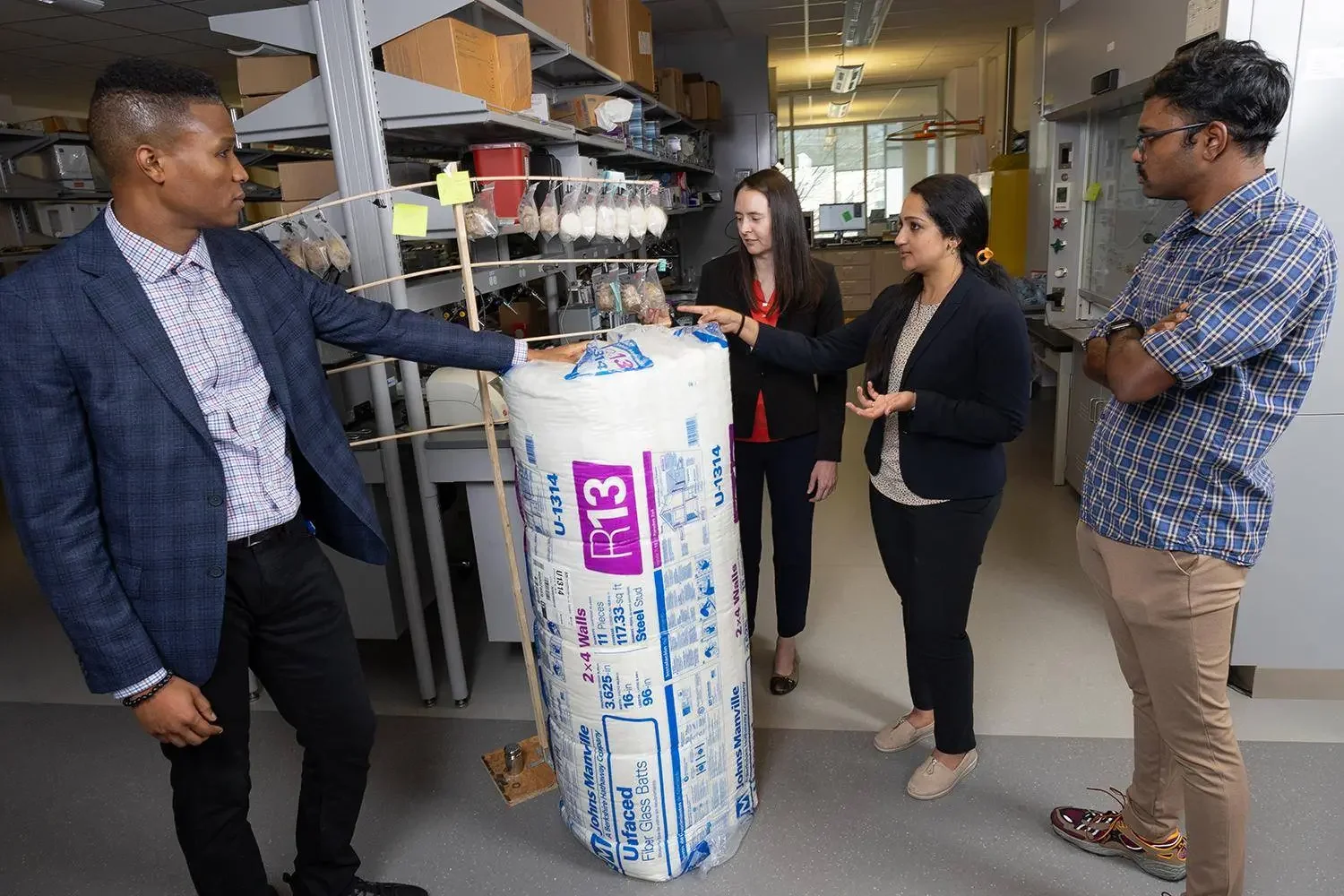
Perhaps most importantly, the lab will generate demonstration products and performance data. Structural blocks, insulation panels, and fiber reinforcements developed in the facility will provide real-world validation, manufacturing benchmarks, and feedback loops for builders and developers.
Material adoption in construction is notoriously conservative. Builders demand reliability, code compliance, and predictable supply. By validating performance and manufacturability, the Seed to City Lab reduces technical and procurement risk for early adopters. De-risking is often the difference between promising innovation and scalable market adoption.
A Watershed Moment for Hemp Industrialization
The establishment of the Seed to City Manufacturing Lab represents a meaningful shift in hemp’s industrial trajectory. It marks a move away from an exclusive focus on cultivation toward sophisticated downstream product development and industrial-scale processing.
If successful, this model could help reposition industrial hemp from a largely agricultural commodity into a scalable feedstock for carbon-negative materials. By integrating research, infrastructure, industry partnerships, and workforce development, the initiative creates the conditions necessary for hemp to compete not just as a crop, but as a platform for decarbonized manufacturing.
In that sense, the $1 million investment is symbolic of something larger. It reflects a growing recognition that the future of sustainable materials will not be determined solely by what we grow, but by how effectively we transform those raw materials into engineered solutions capable of competing in mainstream markets.
More Insights
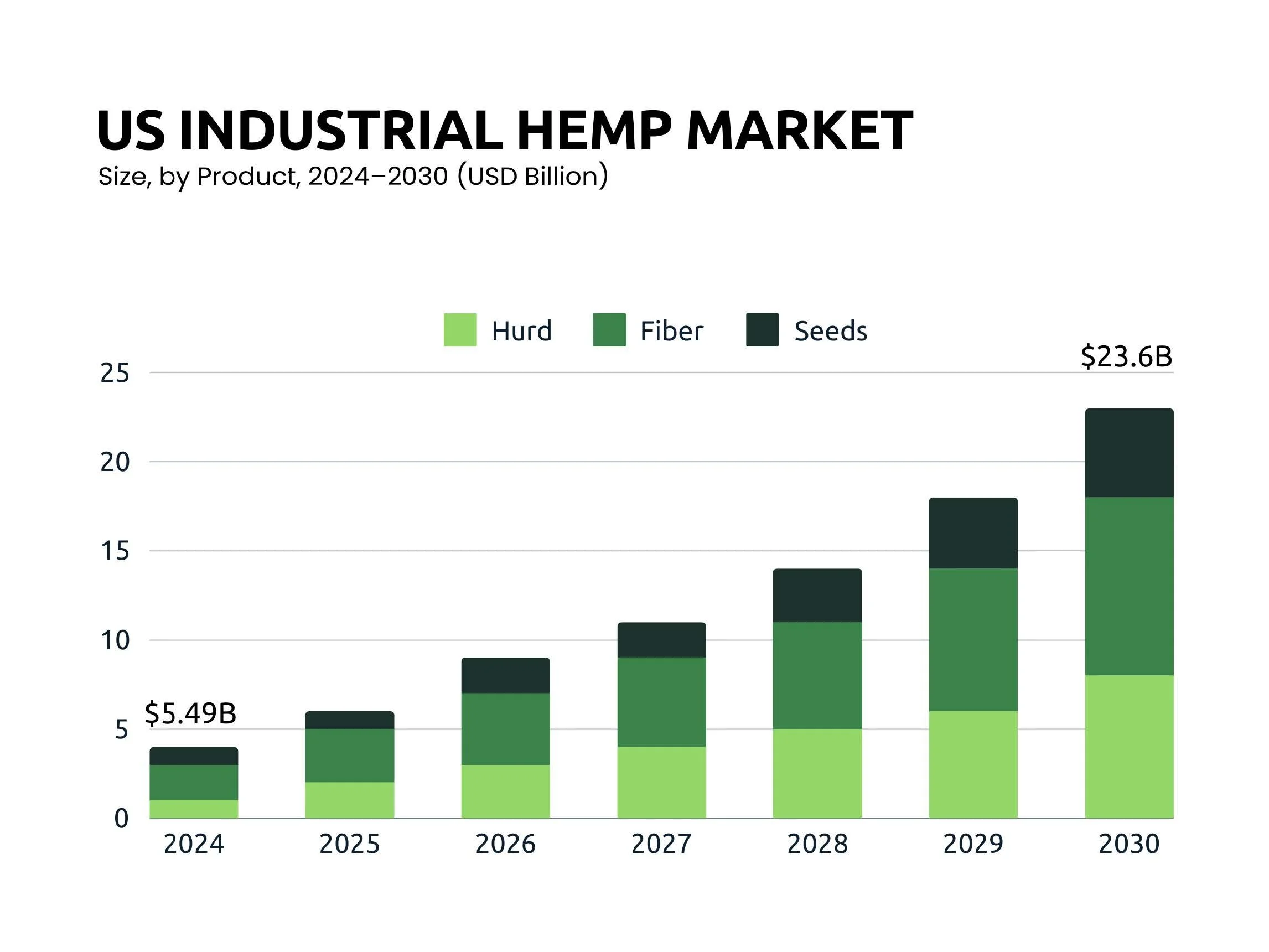

INDUSTRY INSIGHT: