
Proven Technology. Industrial Scale. Built for America.
The Technology Behind America’s Future Fiber Supply Chain.
Natural fiber processing requires precision, consistency, and scale. ELI has selected the Cretes processing system—the same class of machinery trusted across Europe’s mature flax and hemp industries—as the baseline technical design for our flagship facility in Dumas, Texas.
Our facility engineering package is optimized to integrate a 4-ton-per-hour, multi-stage decortication and fiber cleaning line, expandable to 7 tons per hour as the U.S. market grows.
This approach ensures ELI can deliver the quality, reliability, and throughput expected by mid- and high-level manufacturers across nonwovens, textiles, composites, automotive, and construction materials.
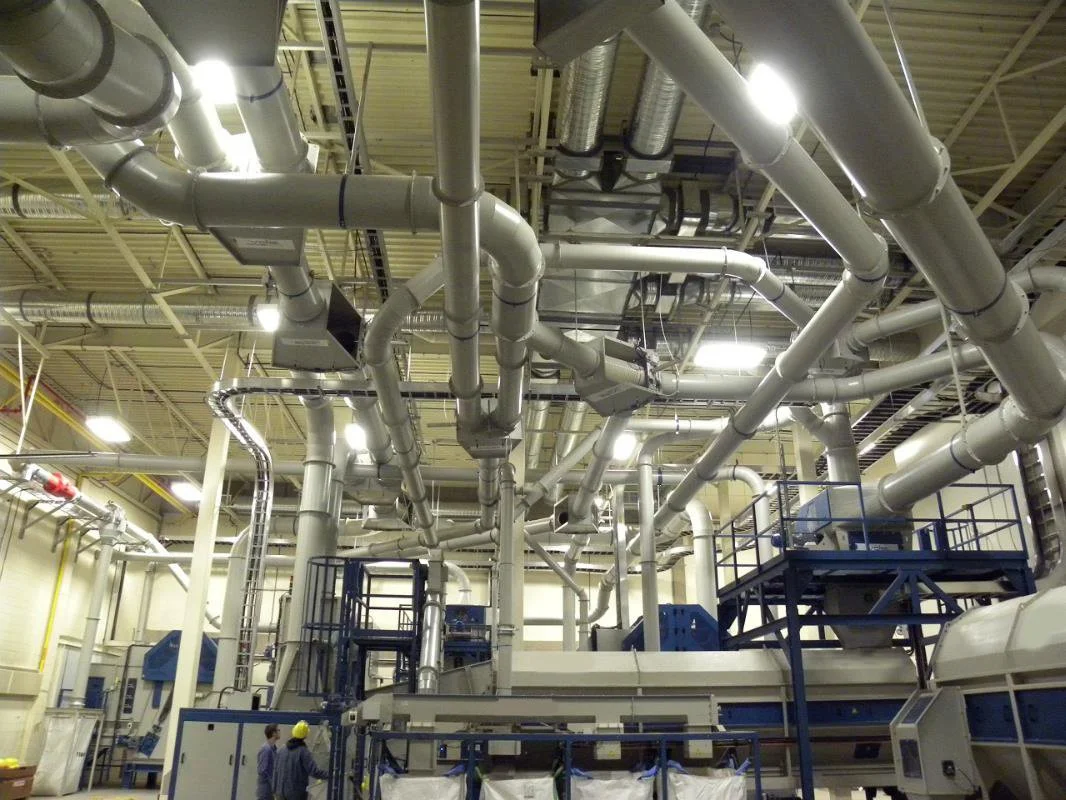
Why Cretes Technology.
Cretes is a world leader in bast-fiber processing equipment, with more than a century of engineering experience and installations operating across Europe, Canada, Asia, and Africa. Their systems are used in the production of long technical fiber, short fiber, high-purity hurd, and dust/fines—each cleaned and separated to industrial specifications.
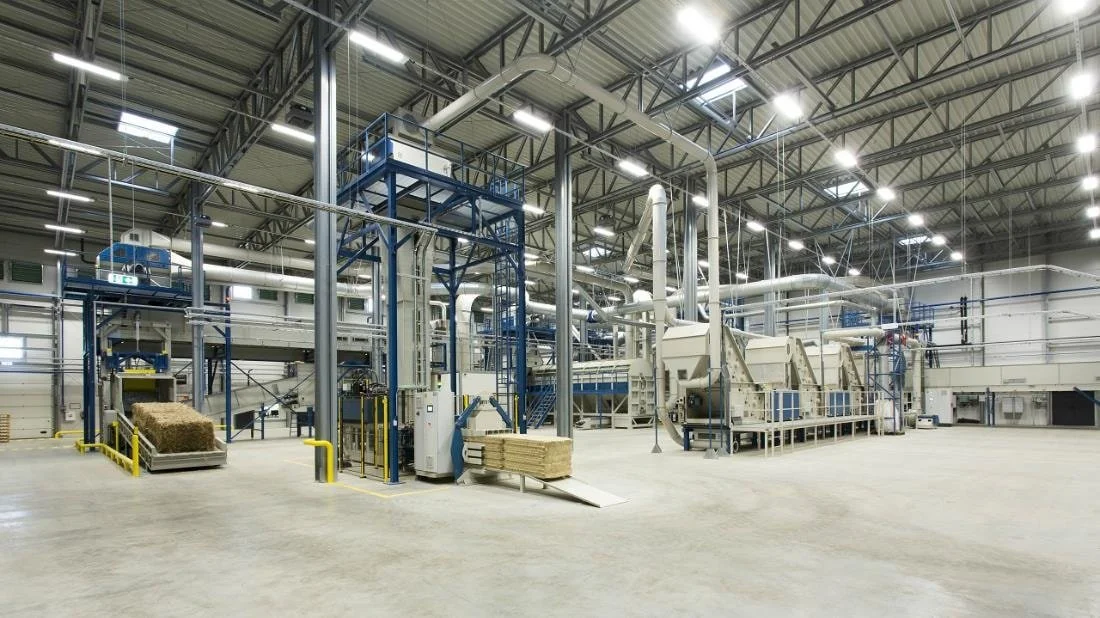
Technical Advantages
Proven at Industrial Scale
Systems operating globally at 1–12 tons per hour, demonstrating reliable performance in full-scale industrial environments and providing a clear roadmap for ELI’s planned deployment.
Specification-driven
Engineered to deliver uniform fiber quality with tightly controlled core content, fiber length distribution, and cleanliness—providing the consistency required by large-scale manufacturers.
Modular & Scalable
Modular architecture enables ELI to begin with a 4-ton-per-hour configuration and scale toward 7 tons per hour or more as the U.S. market develops. Upgrades can be added seamlessly, minimizing downtime and maximizing long-term flexibility.
Integrated & Automated
Dust extraction, fiber cleaning, hurd sizing, bale handling, and inline separation are all engineered for efficiency and safety.
Technology That Enables a New American Industry.
The U.S. has long lacked the industrial infrastructure needed to produce consistent, high-quality natural fibers at scale. By aligning our facility design with globally proven Cretes technology, ELI is helping establish the technical foundation that the domestic hemp fiber sector has been missing. This multi-stage, specification-driven system delivers the reliability, throughput, and material consistency required by manufacturers across nonwovens, textiles, composites, automotive, and construction markets. With a processing platform capable of supporting modern performance standards and scalable growth, ELI aims to accelerate the transition toward biobased materials and strengthen America’s ability to produce sustainable, value-added fiber products at industrial volumes. This technology is more than equipment—it is an enabling force for a resilient, competitive, and future-focused natural-fiber economy in the United States.
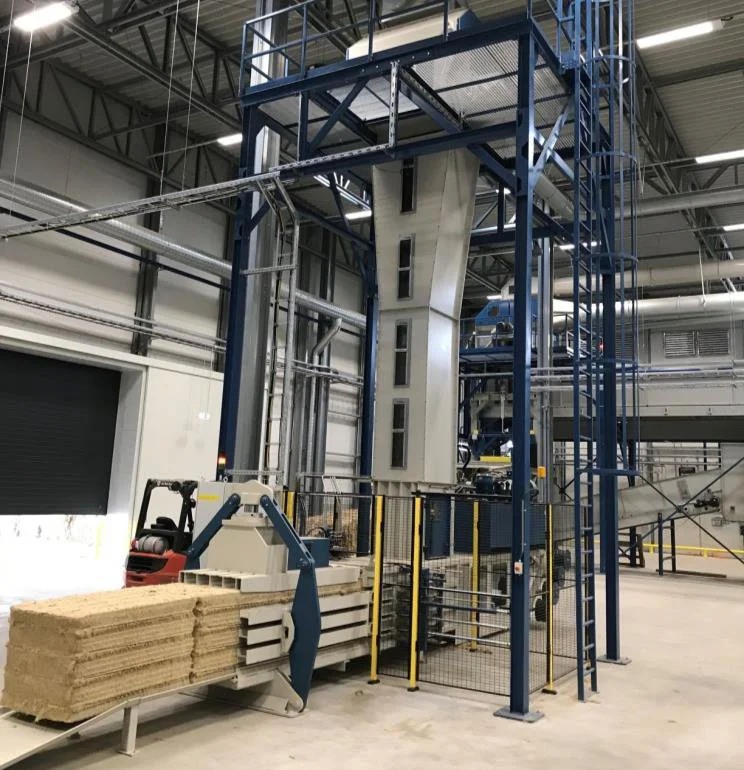
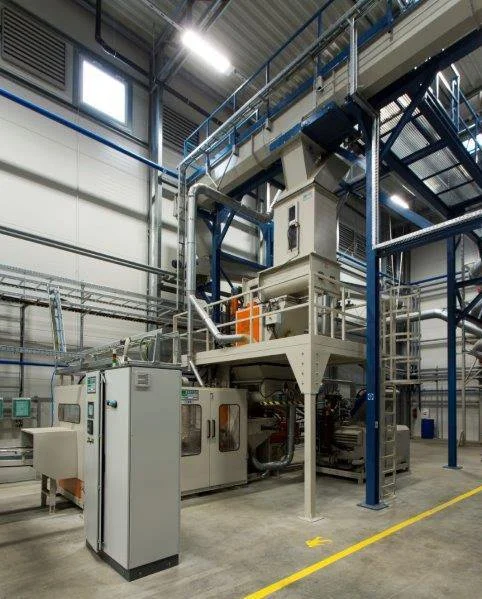
Hemp Fiber Processing Workflow
The semi-separated straw travels via a conveyer into the decorticator, which separates the bast fibers from hurd & dust.
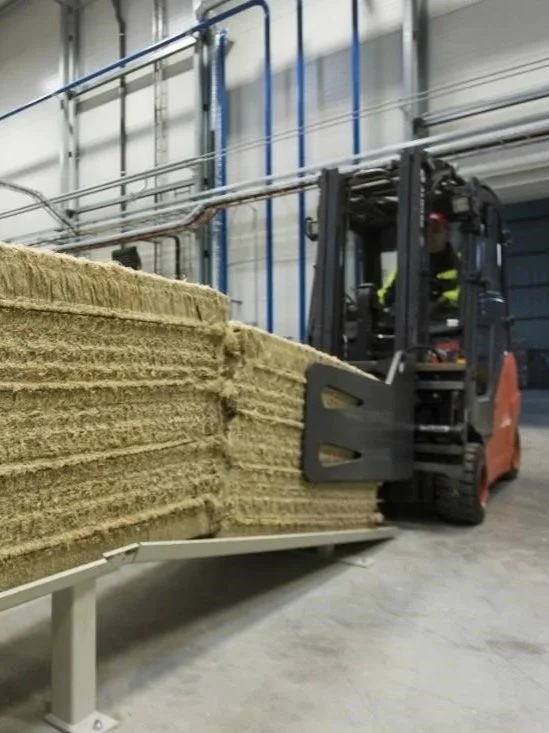
The raw feedstock is fed into the line via a conveyer belt to a bale slicer or guillotine. The first process is the primary opening of the straw before the unprocessed fiber is sent to the decorticator.

Additional cleaning is often conducted to remove particulates from the hurd product, further collecting short fibers and dust.
Market
Further processing ensures fiber and hurd are adequately separated, typically through shaker tables, pneumatic processing, or both.
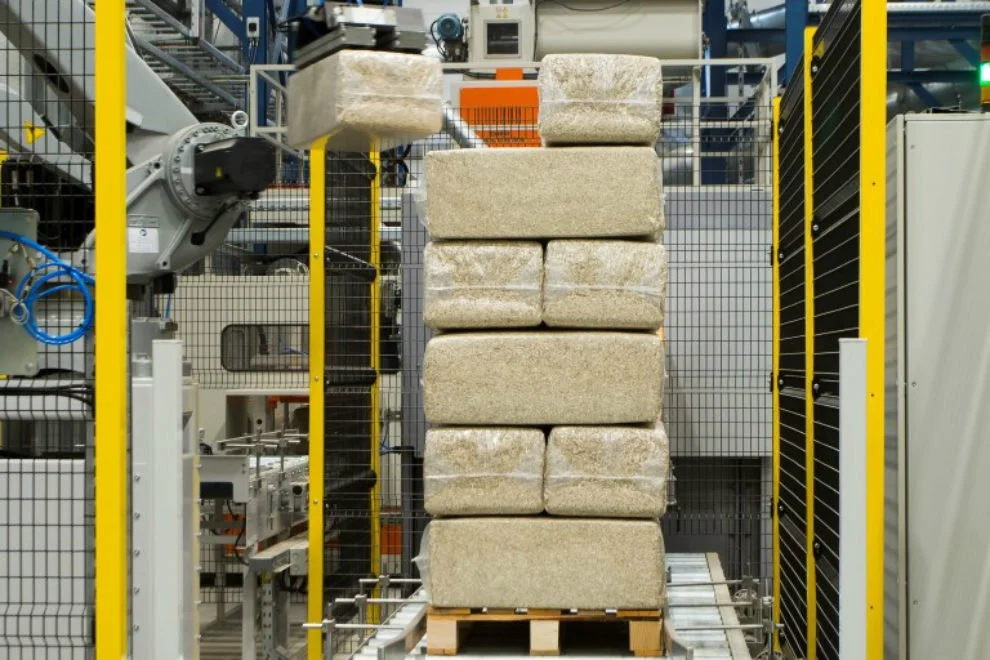
Now adequately separated, the 4 processed fiber products are sent to their various storages, or immediately compressed into bales. Hurd is typically compressed into 20kg plastic bags and palletized.